
The design of slot machine layouts plays a crucial role in shaping the overall gaming experience, influencing not only player engagement but also cognitive comfort and focus. A thoughtfully structured slot layout can enhance visual clarity, reduce mental strain, and create a more immersive environment where players can concentrate on the game without distraction. Understanding the principles behind effective layout design allows operators and developers to create machines that balance excitement with cognitive ease, ensuring both entertainment and user satisfaction.
One of the primary aspects of slot layout that contributes to focus is the organization of visual elements. Traditional slot machines often feature a grid of symbols arranged in rows and columns, accompanied by clear delineations for paylines and bonus indicators. When these elements are arranged systematically, players can easily track outcomes and predict potential combinations, reducing the mental effort required to process the game. A well-structured layout guides the player’s attention naturally toward areas of interest, such as winning lines or bonus features, without overwhelming the visual field with unnecessary clutter. This clarity supports sustained focus, allowing players to enjoy the game over longer sessions without cognitive fatigue.
Color and contrast within a slot layout also significantly affect focus and comfort. By using a strategic palette, designers can highlight key interactive elements while keeping the background subtle enough to avoid distraction. For example, bright or animated symbols can indicate potential wins or bonus opportunities, drawing the player’s attention, while muted backgrounds provide a visual rest, preventing eye strain. In addition, the use of consistent color schemes across similar types of symbols aids recognition and reduces the time players spend deciphering the game mechanics. This type of visual coding leverages the human brain’s pattern recognition capabilities, allowing for quicker and more accurate interpretation of outcomes, which enhances both efficiency and satisfaction.
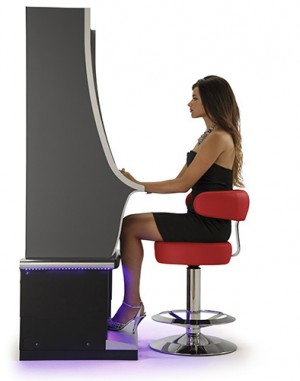
The spatial arrangement of controls is another critical factor in promoting comfort. Slot machines with intuitive button placement enable players to interact with the game seamlessly, minimizing physical strain and reducing the likelihood of input errors. Controls that are within easy reach and logically organized allow for smooth gameplay, which is essential for maintaining engagement. Ergonomic considerations, such as the angle and spacing of buttons or touch interfaces, further contribute to player comfort, making it easier for users to remain focused on the game rather than on adjusting their posture or navigating awkward interfaces. By integrating these ergonomic principles, designers create an environment where players can enjoy the mechanics of the slot without distraction from physical discomfort.
Beyond the immediate visual and ergonomic elements, slot layout also benefits from cognitive principles related to predictability and learning. Players tend to perform better and feel more confident when they can anticipate the placement of symbols, buttons, and information. By maintaining consistent layouts across different games or iterations, operators allow users to apply prior experience, reducing the cognitive load required to understand each new machine. This predictability does not diminish excitement but rather supports a smoother gaming experience, where players can focus on strategy and enjoyment rather than decoding unfamiliar interfaces. Consistency in layout design fosters a sense of mastery and competence, which in turn enhances overall satisfaction and encourages continued engagement.
Psychological factors also come into play in how layout affects focus. A well-designed slot layout can create a sense of visual hierarchy, directing attention to the most rewarding or interactive elements while keeping peripheral information accessible but unobtrusive. This hierarchy helps players prioritize their cognitive resources effectively, focusing on decision-making and anticipation of outcomes rather than being overwhelmed by irrelevant details. By structuring information in layers of importance, designers allow players to navigate the game environment efficiently, improving both performance and enjoyment. Additionally, the pacing of visual and auditory cues—such as animations for wins, flashing lights, or sound effects—can be coordinated with layout to reinforce attention and enhance the immersive experience without causing overstimulation.
Accessibility considerations further enhance the effectiveness of slot layouts. Providing clear and readable fonts, adjustable contrast, and intuitive visual markers ensures that a broader range of players can engage comfortably with the game. Accessibility features, such as high-contrast symbols for colorblind players or simplified interfaces for newcomers, increase inclusivity while maintaining focus and comfort. By accommodating diverse user needs, designers expand the potential player base and promote a positive gaming environment, emphasizing that usability and enjoyment are intertwined.
Moreover, the integration of feedback mechanisms within the layout significantly influences focus. Visual cues, such as highlighting winning combinations or signaling upcoming bonuses, allow players to respond promptly and remain engaged. Haptic or auditory feedback aligned with visual indicators reinforces these cues, creating a multisensory experience that maintains attention and satisfaction. Thoughtful placement of feedback within the layout ensures it is noticed without being distracting, supporting a balance between engagement and cognitive ease.
In summary, the layout of slot machines is far more than a superficial aesthetic choice—it is a deliberate design element that profoundly affects player focus, comfort, and overall experience. By prioritizing clarity, color, ergonomic controls, cognitive predictability, psychological hierarchy, accessibility, and integrated feedback, designers can craft machines that are engaging yet cognitively manageable. Players benefit from reduced mental strain, improved decision-making, and enhanced immersion, while operators gain from increased satisfaction, longer play sessions, and a reputation for quality design. The intersection of psychology, ergonomics, and visual design in slot layout illustrates how careful attention to structure can transform a simple game into a well-balanced, enjoyable, and comfortable experience that keeps players both focused and entertained.



Leave a Reply