
Slot games are among the most popular forms of online and land-based gambling, attracting millions of players worldwide with their bright visuals, engaging sound effects, and the promise of quick rewards. While their entertainment value is undeniable, what often separates a trustworthy casino from a dubious one is the level of transparency it provides. Transparency in slot games is not merely a matter of ethics; it is an essential component of ensuring fair play, building player trust, and protecting the integrity of the gaming industry.
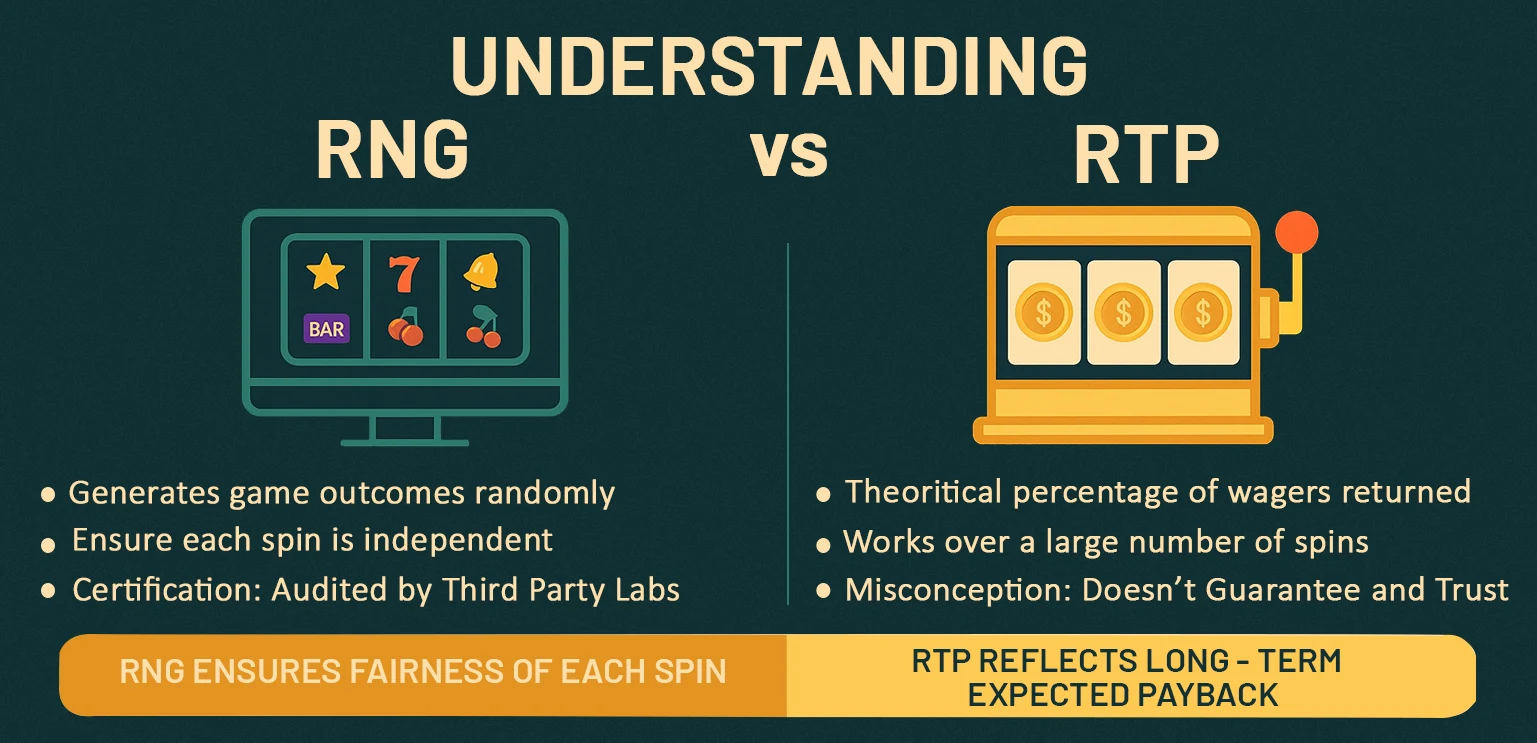
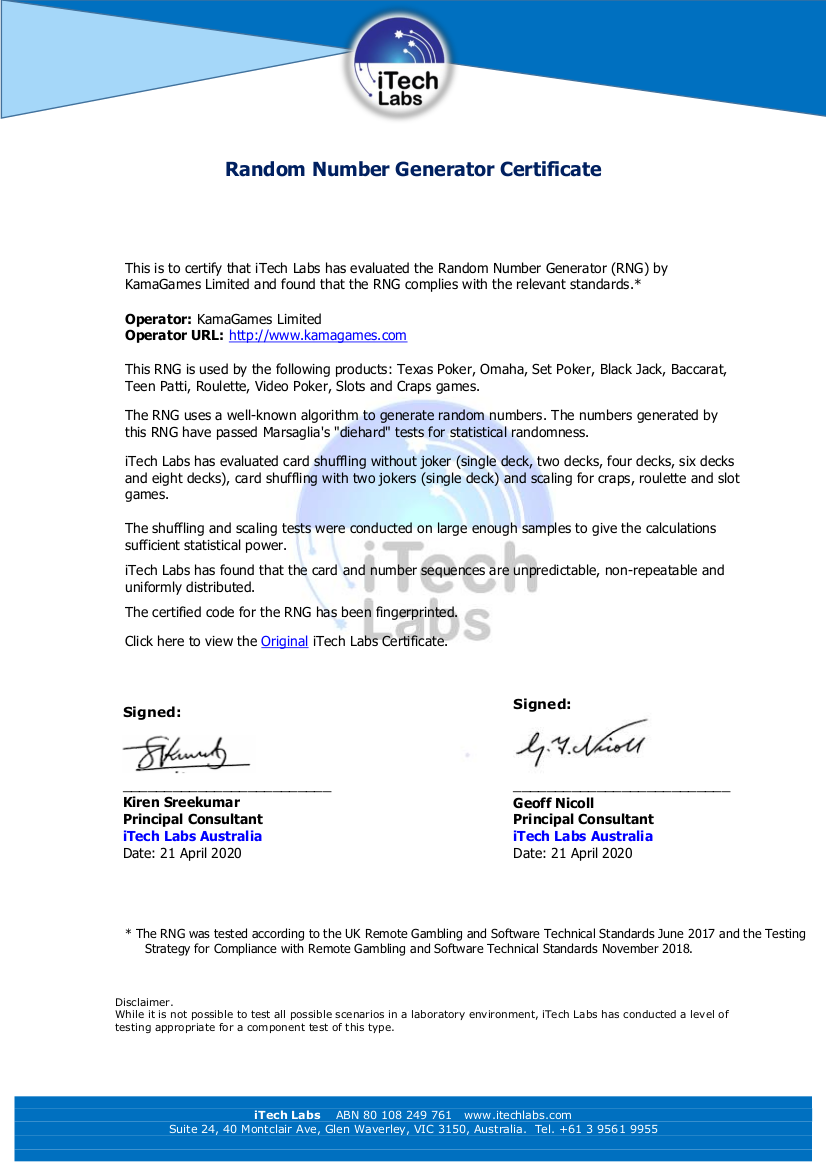
One of the primary reasons transparency matters is the reliance on random number generators (RNGs). RNGs are algorithms that determine the outcome of each spin in a slot game. For a player, the fairness of a game hinges on the RNG being truly random and tamper-proof. Without transparency, players have no way to verify that the spins are unbiased or that the casino is not manipulating outcomes in its favor. Reputable online casinos address this by having their RNGs regularly tested and certified by independent third-party auditors. These certifications are often publicly displayed, allowing players to make informed decisions about where to play. By contrast, casinos that obscure their RNG practices create suspicion and diminish confidence in the fairness of their games.
Another critical aspect of transparency is the disclosure of return-to-player (RTP) percentages. RTP indicates the average amount a player can expect to win back over time, expressed as a percentage of their total wagers. Transparent casinos make RTP information easily accessible, sometimes even breaking it down by individual slot titles. When a casino openly shares RTP data, players can make strategic choices, selecting games that align with their risk preferences. Hiding or misrepresenting RTP not only misleads players but also undermines the credibility of the casino. Transparency in this area demonstrates respect for the player and a commitment to ethical operations.
Game mechanics themselves benefit from transparency. Modern slot games often include bonus features, free spins, multipliers, and progressive jackpots. Explaining how these mechanics work, the odds of triggering them, and how they influence payouts is essential for managing player expectations. When players understand the rules and mechanics, they feel empowered rather than manipulated. Casinos that provide detailed game information, paytables, and tutorials foster a more informed user base, which in turn encourages responsible gambling behaviors. Lack of transparency in this regard can lead to frustration, distrust, and even accusations of exploitation.
Transparency also extends to financial transactions. Players must be confident that deposits, withdrawals, and winnings are handled fairly and without undue delay. Detailed information about banking policies, withdrawal limits, processing times, and security protocols reassures players that the casino operates with integrity. Conversely, ambiguous or opaque financial practices raise red flags and can deter players from engaging with the platform. A transparent approach to finances strengthens the overall perception of trustworthiness and professionalism.
Regulatory compliance is another dimension where transparency plays a pivotal role. Licensed casinos are required to adhere to strict standards set by gaming authorities. Displaying licenses, certifications, and audit results openly signals to players that the casino is accountable to external regulators. This not only protects players from potential fraud but also elevates the reputation of the platform within a competitive industry. Casinos that conceal or misrepresent their regulatory status risk legal consequences and long-term damage to their brand.
In addition to technical transparency, communication transparency matters greatly. Providing clear terms and conditions, privacy policies, and dispute resolution processes ensures that players understand their rights and obligations. Open channels for customer support, including live chat, email, and phone options, demonstrate a willingness to address concerns promptly. When a player feels heard and respected, they are more likely to remain loyal, recommend the platform, and engage responsibly with games. A lack of clear communication can create misunderstandings, disputes, and a perception of unfairness.
Psychologically, transparency impacts player confidence and enjoyment. Gambling inherently involves risk, and uncertainty about fairness exacerbates anxiety and mistrust. Transparent slot games, where rules, odds, and processes are clearly communicated, provide a sense of security. Players can focus on the entertainment and strategy aspects of gaming rather than worrying about manipulation. This confidence enhances the overall user experience, fostering a positive relationship between the player and the platform.
The importance of transparency is further amplified in the context of online slot games, where physical oversight is impossible. Unlike traditional casinos, online platforms must rely on digital trust signals to convey fairness. Displaying RNG certifications, RTP values, licensing information, and clear gameplay instructions are all forms of digital transparency that help bridge the trust gap. Players who are confident in the integrity of online slots are more likely to invest time and money, knowing that the outcomes are governed by fair and verifiable systems.
Transparency is also an ethical imperative for operators. It aligns with responsible gambling initiatives, emphasizing honesty, fairness, and respect for players. By committing to openness, casinos reduce the risk of problem gambling, disputes, and reputational damage. They cultivate a player base that values integrity and is more likely to engage in sustainable, long-term gaming practices. In essence, transparency is not just a technical requirement but a cornerstone of ethical business strategy in the gambling industry.
Ultimately, slot game transparency matters because it forms the foundation of trust between the casino and its players. It ensures that games are fair, odds are clearly communicated, financial transactions are handled responsibly, and regulations are followed. Transparency empowers players to make informed choices, enhances their confidence, and fosters a safer and more enjoyable gaming environment. For operators, it strengthens credibility, supports ethical practices, and differentiates reputable platforms from those that exploit players’ lack of knowledge. In a market driven by competition and choice, transparency is both a practical necessity and a moral obligation, ensuring that the excitement of slot gaming is matched by fairness and integrity.
Transparency is not a one-time effort but an ongoing commitment. Casinos must continually update certifications, communicate changes to game mechanics, and maintain open channels for player inquiries. By doing so, they create a resilient framework where trust is continually reinforced, risks are mitigated, and the player experience is consistently positive. In this way, transparency transforms slot gaming from a gamble based solely on chance into a relationship built on confidence, fairness, and mutual respect.
Players today are increasingly savvy and discerning, demanding more than flashy graphics and exciting features. They seek evidence of fairness, clarity in rules, and accountability from operators. Slot games that embrace transparency meet these expectations and set a standard for the industry, demonstrating that fun and integrity can coexist. By prioritizing openness, casinos not only protect their players but also secure their own longevity in a competitive and ever-evolving market.


Leave a Reply