
In the realm of online and physical casinos, slot games have become one of the most popular forms of entertainment, attracting millions of players worldwide. At first glance, slot machines might appear purely luck-based, but underneath their colorful graphics, sound effects, and spinning reels lies a sophisticated network of control systems designed to ensure fairness, randomness, and regulatory compliance. Understanding these systems can illuminate how casinos maintain both player trust and operational integrity.
The primary component of a slot machine’s control system is the Random Number Generator (RNG). The RNG is a complex algorithm that continuously produces sequences of numbers, which determine the outcomes of each spin. Unlike older mechanical machines, modern digital slots rely entirely on RNGs to prevent predictability and manipulation. The RNG runs independently of player actions, meaning that each spin is isolated, and the result is not influenced by previous spins or the amount wagered. This isolation ensures fairness, as every player has an equal probability of winning on any given spin.
Beyond randomness, slot control systems are programmed to comply with specific payout percentages, often referred to as the Return to Player (RTP). The RTP is a statistical representation of how much a player can expect to win back over a long period. For instance, a slot with a 95% RTP theoretically returns $95 for every $100 wagered. Control systems manage this by adjusting the combination of symbols on the reels to maintain the programmed payout ratio over time. These adjustments are invisible to players, but they are crucial for balancing player satisfaction with casino profitability.
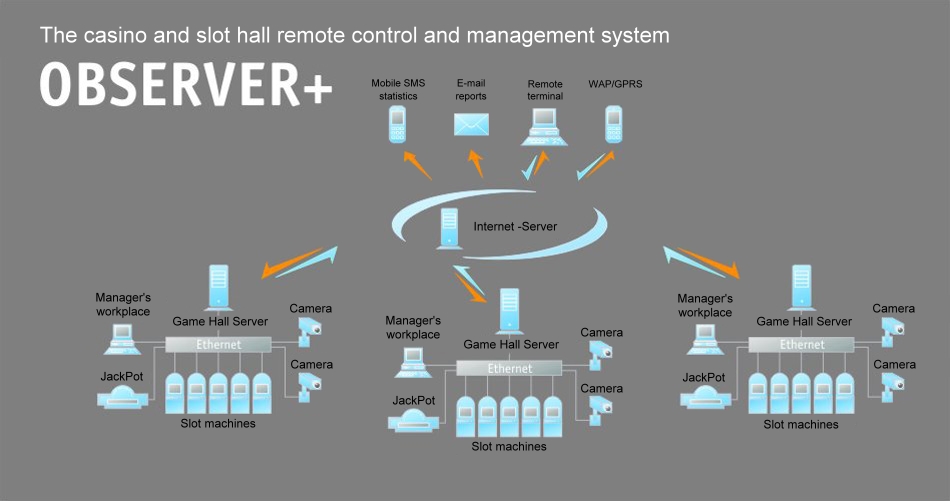
Modern slots also incorporate sophisticated monitoring systems to detect anomalies or potential malfunctions. Sensors and software track every reel movement, coin insertion, and digital input. In online platforms, these systems are further enhanced with real-time data monitoring, where every spin and payout is logged for auditing purposes. These monitoring tools help casinos quickly identify hardware issues, software bugs, or irregular betting patterns that could indicate exploitation or fraud.
Another critical element is the role of game logic controllers. These controllers act as the central hub for all slot machine functions, coordinating input from the RNG, payout mechanisms, player interfaces, and bonus features. In essence, the controller ensures that the game behaves exactly as designed, implementing rules for scatter symbols, free spins, jackpots, and other bonus features. It also manages security protocols, preventing unauthorized access to the machine’s internal systems, which could compromise fairness.
Compliance with gaming regulations is a core responsibility of slot control systems. Regulatory bodies in jurisdictions such as Malta, the United Kingdom, and Nevada set strict requirements for RNG certification, payout auditing, and operational transparency. Control systems must generate verifiable logs, allow third-party audits, and demonstrate adherence to these rules at all times. Casinos that fail to meet regulatory standards risk losing their licenses and facing significant legal consequences.
Security measures extend beyond regulatory compliance. Modern slots, particularly online versions, employ encryption, firewall protections, and secure communication channels to prevent hacking or tampering. The control systems are designed to resist both internal and external threats, ensuring that neither employees nor external actors can alter outcomes. This dual focus on fairness and security is essential in maintaining player trust, a critical factor for the long-term success of any casino.
Player interfaces are another area where control systems exert influence subtly but effectively. While reels spin and animations play out, the underlying software ensures that all outcomes adhere to statistical models and legal requirements. Bonus rounds, free spins, and progressive jackpots are carefully programmed to trigger in accordance with predefined probabilities. This consistency reassures players that while they might not win every spin, the game is functioning fairly and transparently.
Additionally, modern slot machines incorporate adaptive features that help casinos manage player engagement and satisfaction. For example, some systems track player behavior to offer responsible gaming interventions, such as limiting bet sizes, suggesting breaks, or providing notifications about excessive play. These systems do not alter game outcomes but are part of the broader control ecosystem aimed at maintaining ethical standards and player safety.
The evolution of slot control systems has been driven by both technological advances and increasing regulatory scrutiny. Mechanical lever-based machines required physical adjustments to control payouts, whereas digital and online slots can implement complex algorithms and real-time monitoring. Innovations such as blockchain verification and AI-driven anomaly detection are being explored to further enhance transparency and trust. These systems not only make slot machines more secure but also create a more engaging and reliable experience for players.
Ultimately, understanding slot game control systems highlights the delicate balance between randomness, fairness, and operational management. Casinos must maintain enough unpredictability to ensure entertainment and excitement, while simultaneously upholding strict compliance with regulations and internal standards. Players benefit from these systems without always realizing their presence, enjoying a seamless and secure gaming experience that protects both their interests and the integrity of the casino.
In summary, slot machines are far more than simple games of chance; they are sophisticated systems engineered to balance randomness, fairness, security, and compliance. Random Number Generators, game logic controllers, monitoring software, and security protocols work together to ensure that every spin is independent and fair while adhering to programmed payout percentages. Compliance with regulatory standards, robust security measures, and adaptive player interfaces further strengthen trust and reliability. As technology continues to advance, the control systems behind slot games will become increasingly sophisticated, ensuring that this popular form of entertainment remains both thrilling and secure for players worldwide.


Leave a Reply