
Slot machines have evolved far beyond the mechanical reels of the past into highly sophisticated digital experiences, blending technology, psychology, and entertainment design. At the heart of this evolution is the intricate process of slot design, where every choice—visual, auditory, mechanical, and mathematical—contributes to both player engagement and regulatory compliance. Understanding how slot design choices are made offers insight into why certain machines captivate players more effectively than others.
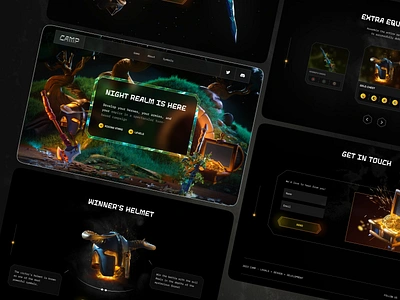
One of the fundamental considerations in slot design is the theme. Themes serve as the first point of connection between the player and the game. Whether it draws inspiration from popular culture, mythology, nature, or historical eras, a theme provides a narrative framework that informs visual elements, sounds, and even bonus mechanics. Designers carefully select colors, symbols, and animations that align with the theme, aiming to create an immersive environment that encourages extended play. This is why some machines with visually stunning and cohesive themes often attract attention more quickly than their less cohesive counterparts.
Closely linked to theme is the audiovisual design. Sound effects, music, and visual animations are carefully orchestrated to reinforce the gameplay experience. Audio cues signal wins, near-misses, or bonus activations, subtly influencing player perception and excitement. Bright flashes, animated sequences, and dynamic symbols provide instant feedback and maintain a sense of movement and anticipation. Research in behavioral psychology shows that these stimuli can enhance engagement and perceived enjoyment, making audiovisual choices as critical as the game’s mathematical structure.
The mathematics behind slot machines—often referred to as the game’s Return to Player (RTP) and volatility—is another core aspect of design. RTP represents the percentage of wagered money that a machine returns to players over the long term. Volatility, on the other hand, indicates the frequency and size of potential wins. Designers must carefully balance these elements to match the intended player experience. High-volatility slots might offer infrequent but substantial payouts, appealing to thrill-seekers, while low-volatility slots provide smaller, more consistent wins, catering to casual players. These decisions affect not only player satisfaction but also regulatory compliance, as most jurisdictions mandate transparency and fairness in payout structures.
Bonus features and special symbols further enhance engagement. Wild symbols, scatters, free spins, multipliers, and interactive mini-games add layers of excitement and unpredictability. The placement, frequency, and rules governing these features are meticulously planned to create a rhythm that sustains player interest without undermining fairness. Designers often use simulations and player behavior analytics to test different configurations, ensuring that bonus features are neither too frequent nor too rare, maintaining a balance between excitement and realism.
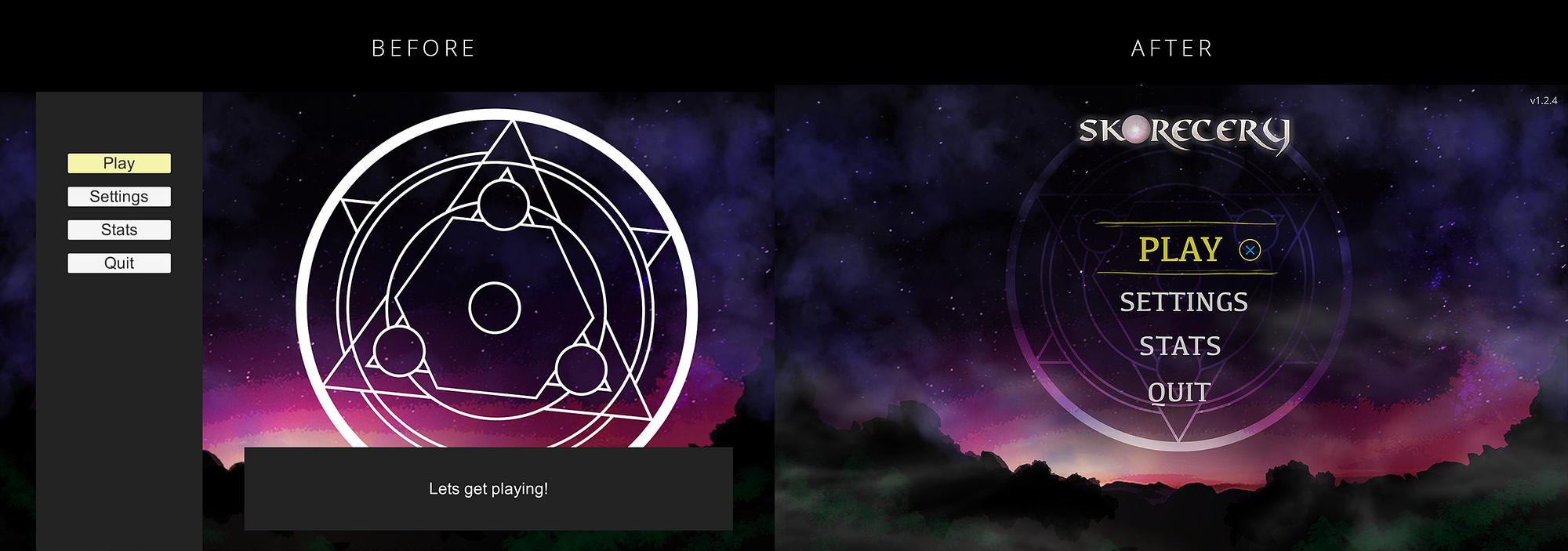
User interface (UI) and user experience (UX) considerations are equally crucial. The layout of buttons, paytables, reels, and informational displays must be intuitive and accessible. Players need to understand quickly how to start a game, place bets, and track wins. Mobile optimization has become especially important as more players access slot games on smartphones and tablets. Responsive design, clear typography, and touch-friendly controls are integrated to provide a seamless experience that mirrors—or even improves upon—the tactile satisfaction of traditional slot machines.
Psychological principles also influence slot design. Concepts like near-miss effects, loss aversion, and intermittent reinforcement are subtly incorporated to sustain engagement. Near-miss effects occur when symbols align almost perfectly for a win, creating the illusion of being close to success and motivating continued play. Intermittent reinforcement, where rewards are delivered unpredictably, taps into a well-studied human tendency to respond strongly to variable rewards, enhancing excitement and prolonging gameplay sessions. Ethical designers carefully balance these techniques to encourage entertainment rather than exploitation, complying with responsible gaming guidelines.
The aesthetics of slot design extend to payline configurations and reel structures. Traditional slots often feature three reels with a single payline, but modern video slots can include multiple reels and dozens or even hundreds of payline combinations. The choice of reel layout affects how wins are calculated, how bonus features are triggered, and how visually appealing the game appears in motion. Creative layouts, such as cascading reels or expanding symbols, introduce dynamic visual interest while supporting innovative gameplay mechanics.
Technology integration has expanded the possibilities of slot design. Random Number Generators (RNGs) underpin every spin, ensuring fairness and unpredictability. Meanwhile, advanced graphics engines allow for 3D animations, cinematic sequences, and interactive storytelling. Some machines incorporate augmented reality elements or live-event tie-ins, further blurring the line between game and immersive experience. Designers must consider hardware limitations, software compatibility, and performance optimization to ensure that these enhancements run smoothly across devices.
Finally, compliance and regulation are always at the forefront. Every design choice must adhere to the rules set by gaming authorities. This includes verifying RTP accuracy, ensuring proper RNG function, providing clear rules to players, and implementing responsible gaming features like bet limits or self-exclusion options. Transparent and ethical design not only builds trust with players but also protects operators from legal challenges and reputational damage.
In conclusion, slot design is a multidimensional process combining creativity, psychology, mathematics, and technology. From the initial concept and theme selection to audiovisual elements, bonus mechanics, and regulatory compliance, each choice is purposeful and deliberate. Successful slots are the result of careful orchestration of these elements to create engaging, fair, and responsible gaming experiences. Understanding these design decisions helps players appreciate the complexity behind what might appear as a simple spinning reel, revealing a sophisticated interplay of art, science, and strategy that defines modern slot gaming.



Leave a Reply