
Slot machines are among the most popular forms of gambling worldwide, captivating players not only with the promise of potential rewards but also with their intricate designs and psychological appeal. The design of slot machines goes far beyond the aesthetic elements; it taps into deep psychological principles to engage, retain, and influence player behavior. Understanding how slot design intersects with player psychology is key for both operators who aim to maximize engagement responsibly and for players who wish to approach slots with awareness and control.
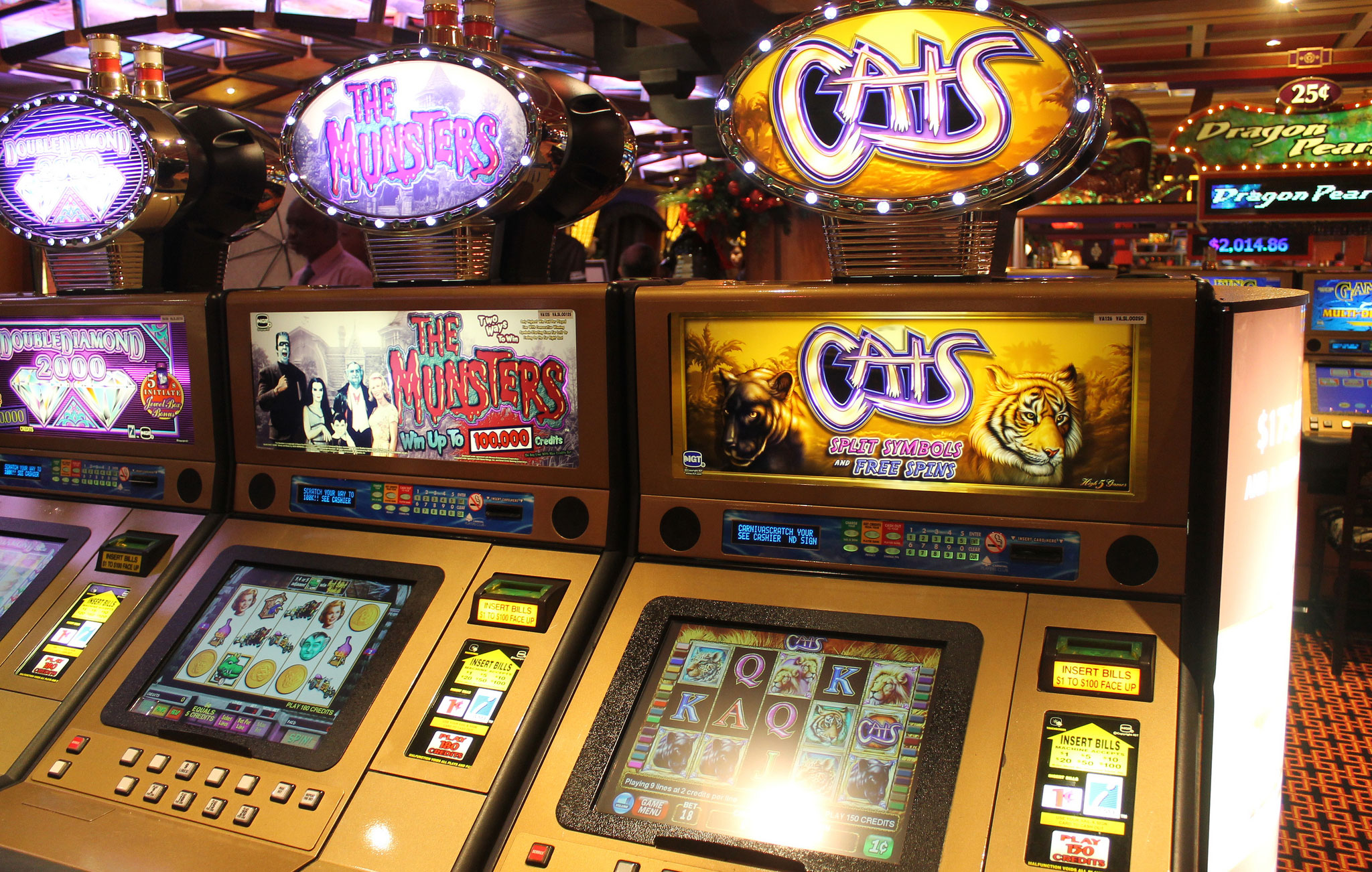
One of the most prominent aspects of slot design is the use of visual and auditory stimuli. Bright colors, flashing lights, and dynamic animations create an immersive environment that draws players’ attention and maintains engagement. These stimuli are not arbitrary; they are strategically chosen to elicit excitement and anticipation. For instance, certain color schemes and patterns can increase arousal and heighten emotional responses, making the gameplay experience feel more intense and rewarding. Sounds, such as jingles, bells, and celebratory music when players hit small wins, are carefully calibrated to trigger dopamine release in the brain, reinforcing the desire to continue playing. This combination of visual and auditory cues exploits the psychological principle of reinforcement, where positive stimuli encourage repeated behavior.
Another significant factor in slot design is the structure of wins and losses. Modern slot machines employ what is known as variable ratio reinforcement schedules. This system, borrowed from behavioral psychology, ensures that payouts occur unpredictably rather than on a fixed schedule. The unpredictability of wins creates a sense of suspense and excitement, making players more likely to continue playing in hopes of hitting the next reward. The occasional small win, often referred to as a “near miss,” is particularly influential. Near misses—when symbols line up almost perfectly but fall just short—can intensify players’ motivation to continue, even though they have lost. Research has shown that near misses activate the same brain regions as actual wins, making them a powerful tool in influencing behavior.
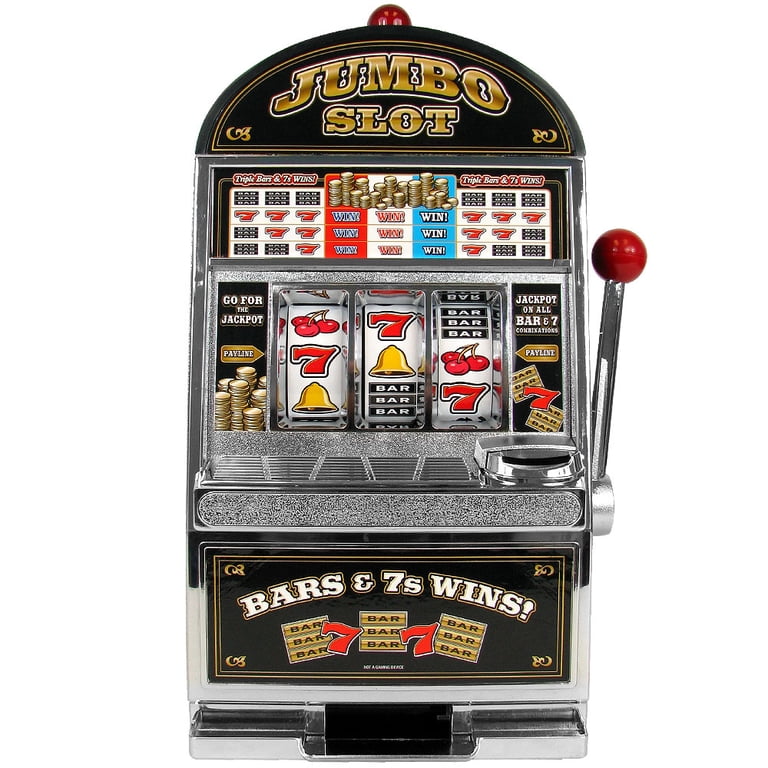
The user interface and mechanics of slot machines are also designed with psychological principles in mind. Modern digital slots allow for complex gameplay, including multiple paylines, bonus rounds, and mini-games. These features are designed to sustain attention and provide a sense of progression and achievement. Bonus rounds, for example, often provide interactive elements that make players feel more in control, even though the underlying probabilities remain unchanged. This sense of agency can enhance engagement by making players feel that skill and strategy are involved, despite the inherently random nature of slot outcomes. Additionally, the pacing of reels, the speed of spins, and the tactile feedback of buttons or touch screens are all fine-tuned to optimize flow, keeping players in a state of focused immersion that psychologists refer to as “flow state.”
Psychological principles are further leveraged through reward structures and visual storytelling. Many slot games incorporate themes, narratives, or characters that create emotional connections. Players may identify with certain themes—such as adventure, mythology, or popular culture—making the gaming experience more personally engaging. Storytelling elements provide context for wins and losses, transforming abstract outcomes into emotionally meaningful events. Coupled with progressive jackpots or tiered reward systems, these elements can create a compelling sense of purpose, driving players to invest more time and attention in pursuit of significant rewards.
Moreover, slot design incorporates elements that influence perception of control and probability. Features like “hold” or “nudging” reels, free spins, and interactive selections give the illusion that the player’s decisions impact the outcome. This taps into a cognitive bias known as the illusion of control, where individuals overestimate their influence over random events. By integrating such features, designers can enhance engagement without altering the fundamental randomness, blending perception with behavior to increase play duration.
Accessibility and convenience also play a psychological role. Modern online slots allow players to access games anytime and anywhere, reducing friction in participation. The seamless digital environment, combined with user-friendly interfaces and instant feedback, reinforces habitual behavior. Mobile integration, push notifications, and personalized offers serve as external cues, prompting players to return frequently. These cues exploit conditioning principles, associating the platform with rewards and positive emotions, and they contribute to sustained engagement over time.
Responsible design considerations are crucial in balancing psychological engagement with player well-being. While understanding player psychology allows for more engaging experiences, it also comes with ethical obligations. Features such as clear information about odds, session timers, loss limits, and self-exclusion tools are important to help players maintain control. Encouraging breaks, providing transparency about probabilities, and avoiding manipulative near-miss designs are essential steps toward creating a safe and enjoyable environment.
In conclusion, slot machine design is a sophisticated interplay between aesthetics, mechanics, and psychological principles. Every visual cue, sound, payout schedule, and interactive feature is carefully crafted to capture attention, sustain engagement, and influence behavior. Players are drawn in by immersive sensory experiences, reinforced by unpredictable rewards, narrative contexts, and illusions of control. Understanding these dynamics not only sheds light on why slot machines are so compelling but also highlights the importance of responsible design in promoting safe and informed play. By recognizing the psychological strategies at play, players can approach slot gaming with greater awareness, and operators can create experiences that are engaging while respecting ethical boundaries, ensuring that entertainment does not compromise well-being.

Leave a Reply