
Slot games are one of the most popular forms of entertainment in the gambling industry, largely because of the simplicity of play and the immediate gratification they offer. Yet beneath their seemingly straightforward interface lies a sophisticated system of mechanics that directly shapes player behavior and decision-making. Understanding these mechanics is crucial, as they influence not only how players interact with the game but also the overall gaming experience and engagement levels.
At the core of slot game mechanics is the concept of the random number generator (RNG). This algorithm ensures that each spin outcome is independent and unpredictable. The RNG establishes the foundation of fairness, which is critical for player trust. However, it also creates the illusion of near misses, a psychological phenomenon where symbols align closely but not perfectly, encouraging players to continue spinning. These near misses trigger reward-related brain activity similar to actual wins, subtly nudging players to make further decisions to keep playing. This demonstrates how the mechanics of randomness and probability can directly influence player persistence.
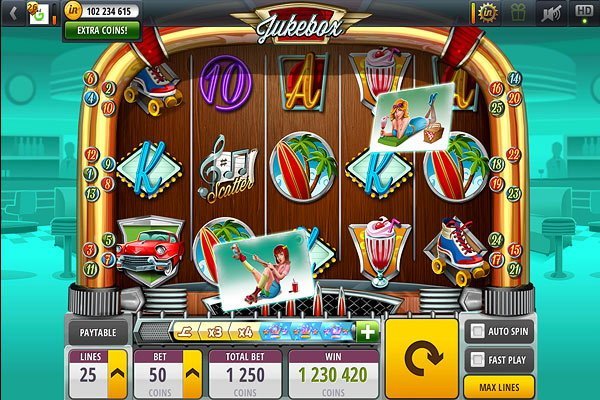
Paylines are another fundamental component that guides decision-making. The number and configuration of paylines can significantly alter a player’s perception of winning chances. Traditional slot machines may have a single payline, creating a straightforward, low-complexity experience. Modern video slots, however, often feature dozens or even hundreds of paylines, offering multiple ways to win and increasing engagement through perceived opportunity. Players are often faced with decisions about how many paylines to activate, weighing cost per spin against potential return. This interaction between payline choices and betting strategies is a prime example of mechanics shaping player decisions.
Bonus features further illustrate the intricate design of slot mechanics. Free spins, multipliers, and mini-games embedded within the primary slot experience provide layers of complexity that enhance player agency. When players encounter a bonus feature, they often face choices—selecting symbols, paths, or risk levels—that influence potential rewards. These mechanics transform a game of pure chance into an experience that incorporates strategy and decision-making. The anticipation and excitement of unlocking bonuses also leverage the psychological principle of variable reinforcement, where irregular rewards maintain player engagement more effectively than predictable outcomes.
Return to Player (RTP) rates are another critical mechanic influencing decisions. Although RTP is a statistical measure of long-term expected returns, it shapes player behavior indirectly. Games with higher advertised RTPs can attract more cautious players, who perceive a better chance of success, while lower RTP slots might appeal to thrill-seekers drawn by higher volatility. Players often adjust bet sizes and play duration based on their understanding—or sometimes misperception—of RTP. This mechanic exemplifies how statistical design informs player strategy, blending cognitive expectations with entertainment.
Volatility, or variance, in slot games also impacts decision-making. High-volatility slots offer infrequent but large wins, while low-volatility slots provide smaller, more regular payouts. Players tend to select games aligned with their personal risk tolerance, affecting session length, betting patterns, and overall engagement. This introduces an additional layer of player agency, as individuals make conscious choices about the type of experience they want based on their comfort with risk and reward balance. Slot designers exploit this mechanic to cater to diverse player profiles, ensuring that each game resonates with specific behavioral tendencies.
Visual and auditory cues are subtle yet powerful mechanics that shape decisions. Animations, sound effects, and even vibration feedback provide sensory reinforcement for wins and near misses, enhancing the emotional impact of outcomes. Players may unconsciously adjust behavior based on these cues, increasing spin frequency or elevating bet amounts. The design of reels, symbol themes, and interface layout also contribute to decision-making by guiding attention toward certain features or outcomes. By integrating sensory engagement with probabilistic mechanics, developers create a cohesive environment that encourages continued interaction and investment.
Progressive jackpots represent a high-stakes decision mechanic. These systems pool a portion of wagers from multiple machines or platforms into a single growing prize. The potential for substantial reward drives player behavior, often leading to strategic adjustments in bet sizing or game selection to maximize jackpot eligibility. The allure of rare but life-changing outcomes exemplifies how game mechanics can manipulate risk perception and motivation, shaping not just moment-to-moment decisions but long-term engagement patterns.
Psychological principles underpin many slot mechanics, particularly in how they influence cognitive biases. The use of near misses, intermittent reinforcement, and reward schedules exploits human tendencies toward pattern recognition and anticipation. Players frequently make decisions based on perceived streaks or hot and cold cycles, even though outcomes are statistically independent. Understanding these mechanics is vital for responsible gaming, as it enables both players and operators to recognize when design influences behavior beyond rational calculation.
In addition, customization and adaptive mechanics further impact decision-making. Modern slots often allow players to adjust bet amounts, number of active paylines, or risk levels in bonus games. Some platforms employ dynamic adjustments, changing odds or payout frequencies based on player activity patterns. These systems create an interactive loop where player choices influence immediate outcomes, which in turn affect subsequent decisions. The result is a highly personalized experience that fosters a sense of control and engagement, despite the underlying randomness of the game.
In conclusion, slot game mechanics are far more than simple rules for spinning reels. They are carefully engineered systems that shape player perception, behavior, and decision-making at multiple levels. From RNGs and paylines to bonuses, RTP, volatility, sensory cues, and adaptive systems, each element interacts to create a compelling, psychologically engaging experience. Understanding these mechanics is essential for players seeking to make informed decisions and for operators aiming to design games that are both entertaining and ethically responsible. The interplay between chance, choice, and design ensures that slot gaming remains a dynamic and influential form of interactive entertainment.











Leave a Reply