
Slot machines are among the most ubiquitous forms of entertainment in casinos and online platforms, but what often goes unnoticed is the sophisticated design that underpins them. Every visual, auditory, and interactive element is carefully orchestrated to make gameplay intuitive and enjoyable while reducing the cognitive load on players. Cognitive load refers to the mental effort required to process information. In the context of slot machines, designers aim to minimize unnecessary complexity, allowing players to focus on enjoyment rather than figuring out how the machine works. This balance is critical for engagement, retention, and player satisfaction.
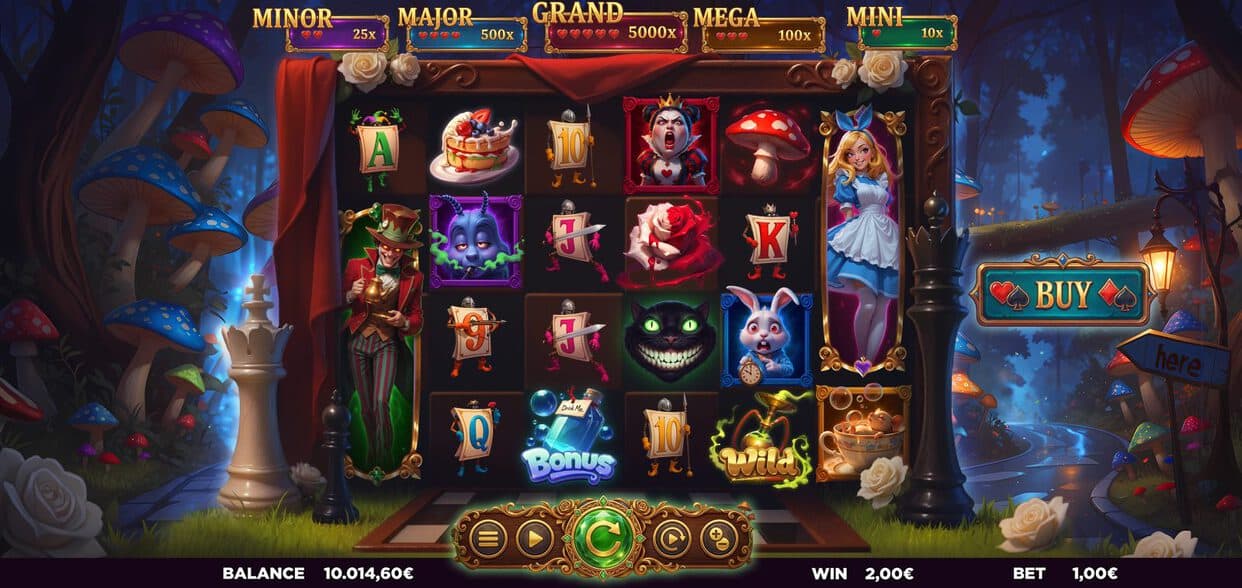
One of the fundamental ways slot design reduces cognitive load is through visual clarity. Symbols, paylines, and interface elements are designed to be instantly recognizable. High-contrast colors, simple iconography, and consistent placement allow players to process information quickly without confusion. For instance, standard symbols like cherries, sevens, or bars carry immediate meaning based on widespread recognition. Players do not need to decode new imagery with every session, which reduces the mental energy spent interpreting the game. Even when themes are elaborate, most slot games maintain a clear hierarchy of visual information, ensuring the most important elements—such as current balance, active paylines, and potential wins—are immediately visible.
Animation and motion also play a vital role. Slot designers employ movement to guide attention subtly. Spinning reels, flashing lights, and celebratory bursts of animation highlight key outcomes and provide instant feedback. This approach leverages the brain’s natural attentional systems, directing players to important events without overwhelming them with extraneous details. Moreover, motion is usually smooth and predictable, preventing cognitive dissonance that can arise from erratic or unpredictable visual changes. Players can process results almost instinctively, reinforcing comprehension and engagement without effortful thinking.
Auditory design complements visuals by reducing cognitive strain. Sound cues such as chimes, coin drops, or celebratory jingles serve as immediate indicators of wins, losses, or other game states. By encoding feedback in auditory signals, designers allow players to absorb information without continuously scanning the screen. The brain can process these cues quickly, often subconsciously, which reduces the load on visual working memory. Importantly, auditory cues are carefully calibrated; repetitive or harsh sounds can increase cognitive fatigue, whereas well-balanced audio reinforces comprehension and encourages continued play.
Interface design also plays a central role in cognitive load management. Intuitive button placement, clear labels, and simple menu navigation ensure that even new players can understand how to interact with the slot machine effortlessly. Buttons for spin, bet adjustment, and autoplay are usually grouped logically, and their functions are self-explanatory. Tooltips or brief prompts can guide beginners without requiring extensive reading or memorization. This simplification reduces the risk of player frustration and allows mental resources to be focused on the game’s entertainment value rather than on learning how to operate the machine.
Another key aspect is the structuring of rewards. Slot machines often use tiered or incremental reward systems, providing frequent, small wins interspersed with larger payouts. This design strategy does more than increase excitement; it also reduces cognitive load by giving players a clear and immediate sense of progression. Each small win signals a correct action or positive outcome, providing feedback without requiring complex mental calculations or strategy formulation. Players can easily track their performance and engagement, which fosters a sense of competence and maintains motivation.
Themes and storytelling elements in slots also contribute to cognitive ease. Narrative frameworks, whether based on mythology, adventure, or popular media, allow players to quickly understand the context and goals of the game. Familiar stories and recognizable characters reduce the need for extensive explanation, allowing players to engage immediately. Additionally, thematic consistency across symbols, backgrounds, and sound effects ensures that new information is integrated seamlessly, reducing mental effort and improving immersion.
Color theory and contrast management are other subtle yet impactful design techniques. Designers choose color palettes that differentiate interactive elements from background imagery, highlight critical information, and maintain visual comfort. Proper contrast allows players to discern symbols and payline information quickly, reducing strain and supporting rapid comprehension. Colors also carry semantic meaning; for example, green might indicate a gain or continuation, while red could signal caution or loss. By leveraging intuitive color coding, slot designers help players process information without conscious deliberation.
Finally, pacing and tempo are critical for cognitive load management. Reels typically spin for just the right duration to create anticipation without overwhelming players. Auto-play features allow for continuous play with minimal input, appealing to those who prefer a more passive experience. Conversely, options to adjust speed and customize play enable active participants to engage at their preferred tempo. By allowing players to regulate the rate of information delivery, slot design ensures that mental resources are neither underutilized nor overloaded.
In conclusion, the design of slot machines is far from arbitrary; it is a carefully calibrated system that prioritizes cognitive efficiency. Visual clarity, motion guidance, auditory feedback, intuitive interface layout, structured rewards, thematic consistency, color coding, and controlled pacing all work in tandem to reduce cognitive load. By minimizing unnecessary mental effort, designers create experiences that are not only entertaining but also accessible and satisfying. This thoughtful integration of cognitive psychology into slot design ensures that players can focus on the enjoyment of the game itself rather than grappling with complexity, ultimately fostering engagement, retention, and a more immersive entertainment experience.





Leave a Reply