
Slot machines are more than just games of chance; they are carefully engineered systems designed to encourage player engagement and consistency. At the heart of slot design is the understanding of human psychology, particularly the factors that influence repetitive behavior. Developers and designers use a combination of visual, auditory, and reward-based mechanisms to create an environment that keeps players returning, often without conscious awareness of the influences shaping their actions. These elements are integrated seamlessly, so that what appears to be simple entertainment is in reality a sophisticated orchestration of cues and reinforcements.
One key element of slot design is the use of visual stimuli. Bright colors, dynamic animations, and thematic symbols create an immersive experience that captures attention and holds it over time. Each symbol, whether a fruit, a gem, or a themed character, is carefully selected to resonate with cultural and emotional cues that elicit excitement or curiosity. When reels spin and symbols line up, the visual confirmation of potential success triggers the brain’s reward pathways, even if the outcome is ultimately a loss. This reinforcement can encourage players to continue, as each spin feels like a potential step toward a desirable result, regardless of the actual probability.
Auditory feedback is another crucial component. Sound effects ranging from chimes and bells to celebratory music signal winning combinations or bonus triggers. These sounds are not arbitrary; they are carefully calibrated to produce emotional reactions that mimic success. When players hear the jingle of a near win or a small payout, the brain interprets this as progress, reinforcing the desire to continue playing. Even the subtle “whoosh” of spinning reels provides a rhythm that contributes to a flow state, where players become absorbed in the activity and less aware of time passing or money spent. This consistent engagement is precisely what designers aim for, as the sensory feedback loop promotes repeated interaction.
Reward schedules are perhaps the most deliberate mechanism to encourage consistency. Modern slots often employ variable ratio reinforcement, a principle derived from behavioral psychology, where rewards are given at unpredictable intervals. This unpredictability is highly effective in maintaining engagement because the player never knows when the next payout will occur, creating a sense of anticipation and excitement. Even minimal wins are structured to provide just enough gratification to sustain behavior, while larger payouts are rare but impactful, keeping players hopeful. The combination of frequent small wins and occasional large rewards maintains a delicate balance that reinforces continuous play without triggering frustration.
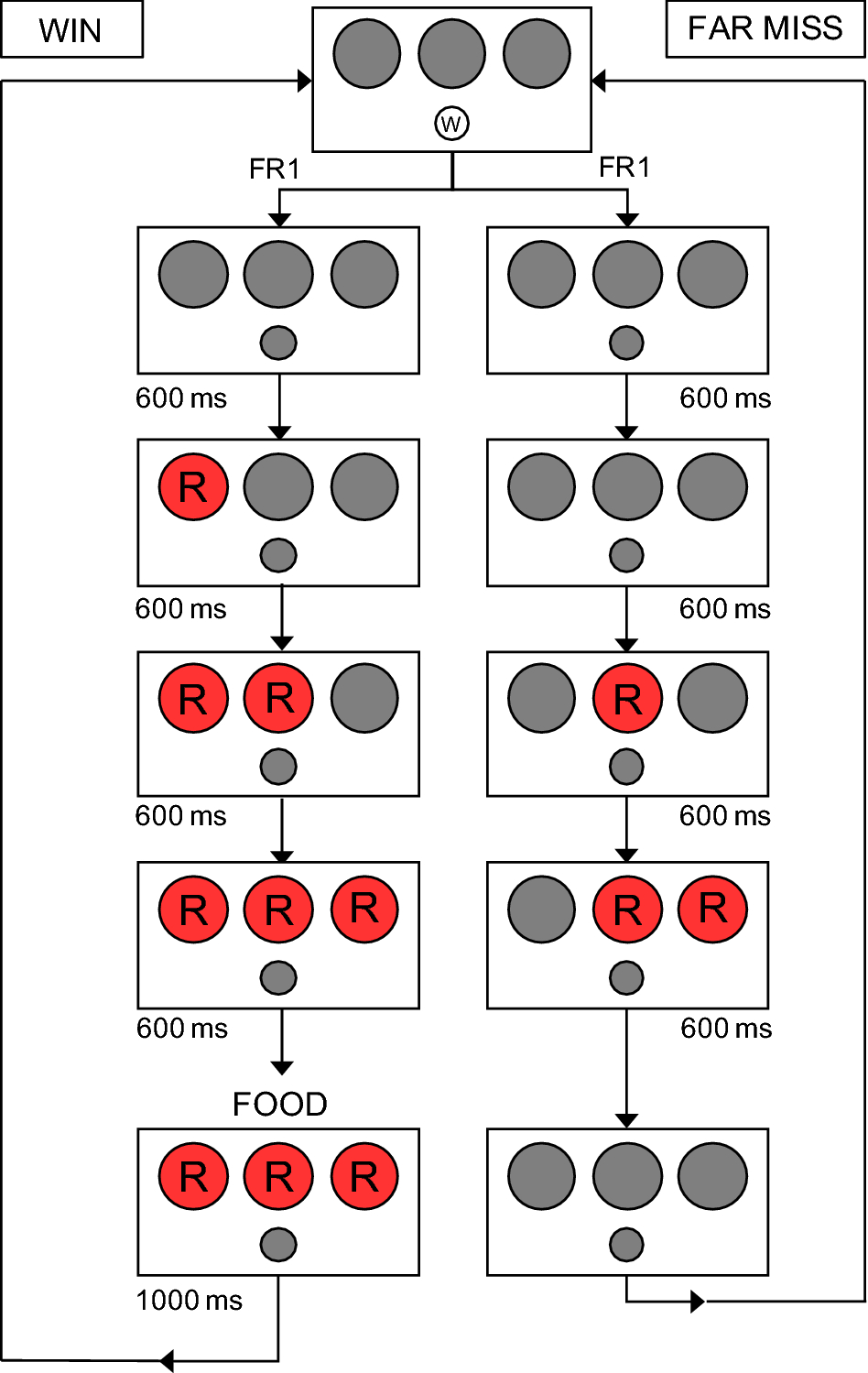
Slot design also takes advantage of near-miss scenarios. When symbols align closely to produce a near win, the brain interprets the event as almost successful, creating a compelling urge to try again. Near-misses stimulate the same neural pathways as actual wins, tricking the mind into feeling that success is imminent. This subtle form of reinforcement leverages human optimism and perseverance, encouraging players to maintain their engagement over extended sessions. By strategically placing near-miss outcomes, designers create a sense of progress even when losses are occurring, ensuring that players remain motivated to continue spinning.
Thematic consistency and narrative elements further enhance engagement. Many modern slots incorporate storylines, characters, and evolving game worlds, transforming a simple reel spin into an interactive experience. Players become invested not only in the immediate outcomes but in the progression of the game’s narrative, which encourages ongoing participation. Loyalty to characters or anticipation of unlocking new story elements creates an additional layer of motivation, making consistent play feel meaningful beyond the immediate rewards. This blend of narrative and gameplay sustains attention and reinforces habitual behavior.
User interface and game mechanics also contribute to consistency. Smooth animations, intuitive controls, and responsive feedback ensure that players encounter minimal friction during gameplay. Features such as autoplay, fast spin options, and clear indicators of bonuses reduce barriers to continued engagement. By making the act of playing effortless and enjoyable, slots encourage repeated interaction with little cognitive effort, supporting sustained sessions that reinforce habitual patterns. The seamless integration of these mechanics into the overall design amplifies the psychological impact of other reward-based elements.
Additionally, visual and auditory cues often highlight achievements and milestones, even if minor. Celebratory animations for incremental wins, progress bars for bonus rounds, and colorful indicators of accumulated credits serve as constant reminders of advancement. This form of gamification provides continuous feedback and a sense of accomplishment, reinforcing the desire to continue. The perception of skill, progress, or improvement, even in a game of chance, creates a powerful motivator that drives repeated play and consistency.
Cognitive biases also play a role in encouraging consistent engagement. Slot designs exploit tendencies such as the gambler’s fallacy, illusion of control, and confirmation bias. For instance, features that allow players to “stop” the reels or choose paylines give a superficial sense of agency, reinforcing the belief that actions influence outcomes. Small, frequent wins validate player decisions and strengthen the illusion of control, increasing the likelihood of ongoing play. Designers carefully consider these psychological tendencies, integrating subtle cues that amplify engagement without explicit coercion.
Finally, mobile accessibility and social integration extend the influence of slot design beyond traditional casino floors. The ability to play anytime and anywhere, combined with leaderboards, achievements, and social sharing features, reinforces habitual engagement. Players are constantly reminded of their progress and opportunities, creating a feedback loop that encourages consistent interaction. The convenience and connectivity of digital platforms amplify the effects of traditional design principles, ensuring that engagement remains high across diverse contexts and extended periods.
In summary, slot design encourages consistency through a sophisticated interplay of visual and auditory stimuli, reward schedules, near-miss outcomes, narrative immersion, seamless mechanics, and cognitive reinforcement. Each element is purposefully structured to sustain engagement, evoke emotional responses, and promote habitual play. While the experience may feel spontaneous and entertaining, it is underpinned by a deep understanding of human behavior and psychological principles. By combining these strategies, slot designers create environments where players are drawn to return repeatedly, demonstrating how subtle design choices can profoundly influence consistency in gameplay.








Leave a Reply