
The design of slot machines is far more than a matter of aesthetics or flashy lights; it is a carefully calculated blend of psychology, probability, and technology aimed at building player confidence and enhancing engagement. At its core, a well-designed slot machine provides the user with a sense of fairness and control, even in a game largely determined by chance. This sense of confidence is crucial because it directly impacts player satisfaction, loyalty, and the likelihood of repeated play, all of which are fundamental to the success of a gaming platform.
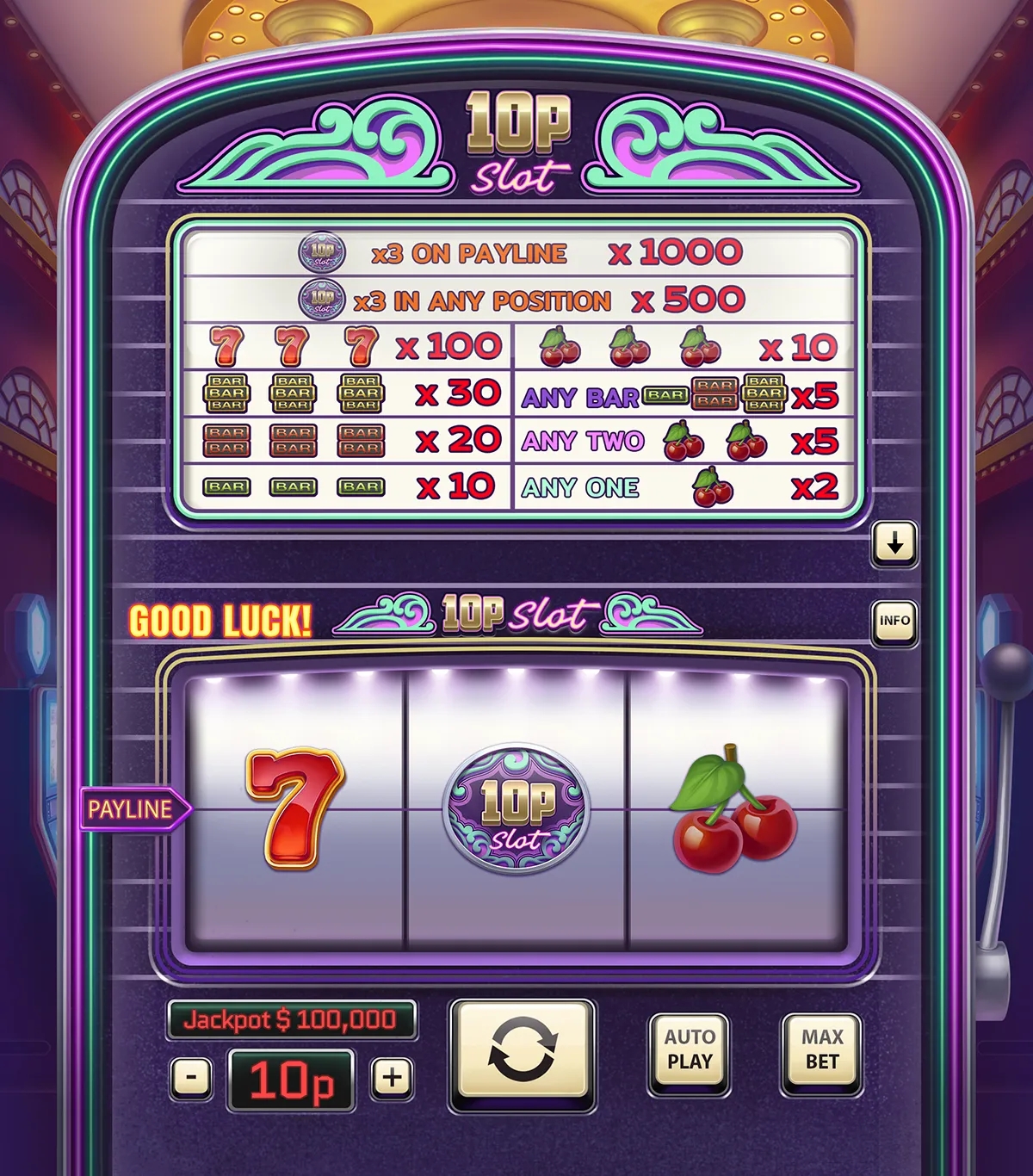
One of the primary ways slot design builds confidence is through transparency in its mechanics. Modern digital slots often display key information such as payout percentages, paylines, and bonus triggers. By clearly showing players the potential outcomes and rewards, developers reduce uncertainty and foster trust. Even if the odds remain random, a player who understands how the game works feels more in control, which enhances overall confidence in the platform. This transparency is not merely about numbers; it is about creating an environment where players can make informed choices, understand risks, and anticipate rewards in a realistic manner.
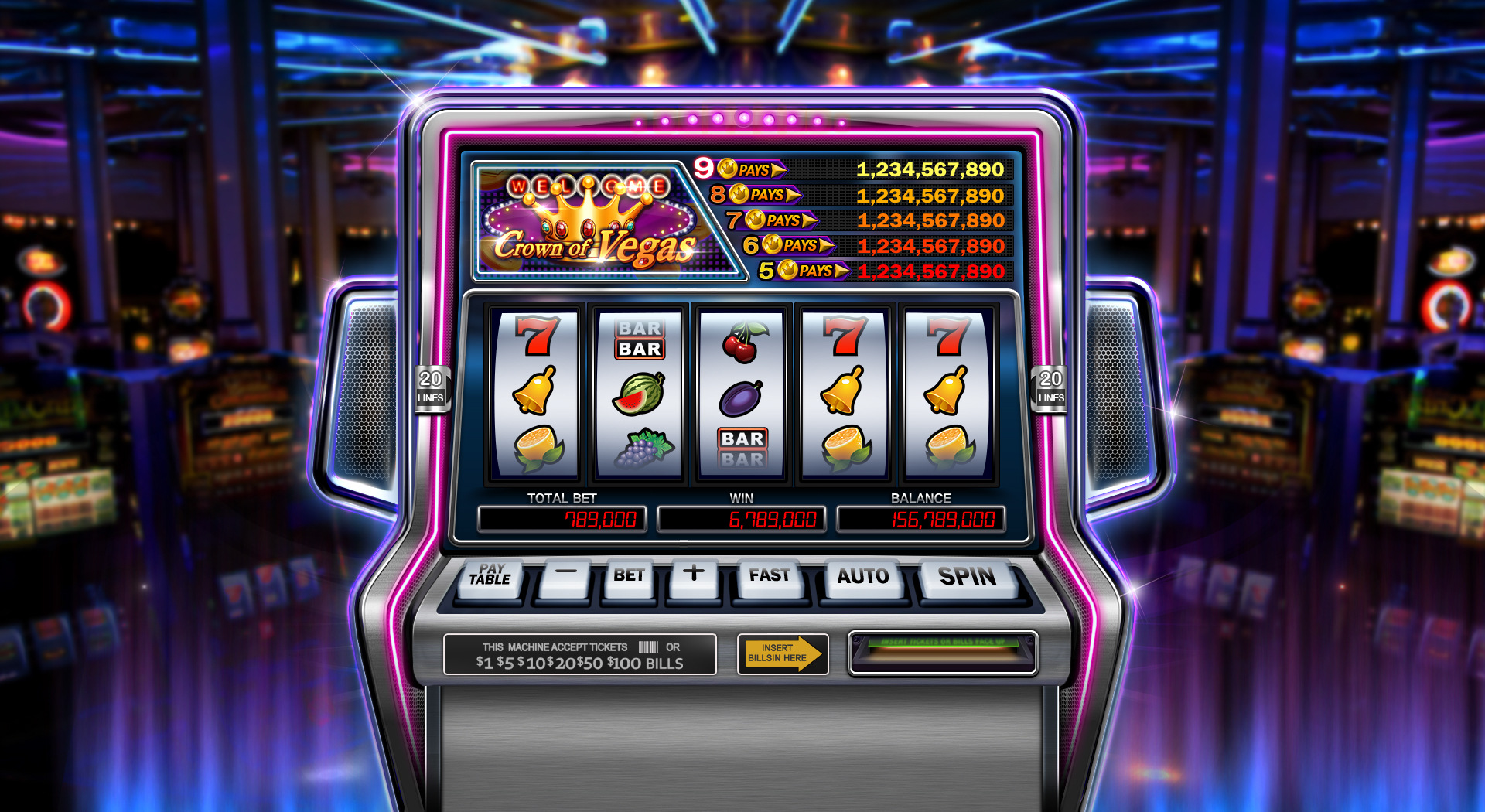
Visual design also plays a significant role in cultivating confidence. High-quality graphics, smooth animations, and thematic consistency contribute to a sense of professionalism and legitimacy. Players are subconsciously reassured when a game looks polished and functions without glitches. Sound design complements visuals by providing auditory feedback for wins, near-misses, or bonus triggers. These cues reinforce a player’s sense that the game is responsive and fair, which strengthens confidence in continued play. For instance, subtle celebratory sounds for small wins can make players feel their efforts are acknowledged, promoting a perception of fairness and reward even when outcomes are random.
Another critical element is the structuring of bonus rounds and progressive jackpots. Slots that feature tiered rewards or bonus opportunities give players intermittent reinforcement, a concept rooted in behavioral psychology. Intermittent reinforcement schedules, where rewards are given unpredictably, are known to increase engagement and maintain motivation. By strategically spacing small wins with occasional larger payouts, slot designers cultivate a sense of anticipation and optimism. Players develop confidence in the possibility of a big win, which keeps them invested in the game. Importantly, the design of these features must be balanced to avoid creating unrealistic expectations; a well-calibrated system enhances confidence without misleading players.
The role of user interface design cannot be understated. Intuitive controls, clear paytables, and accessible game rules reduce confusion and cognitive load, making the gaming experience smoother and more enjoyable. When players can easily understand how to place bets, activate features, and track their progress, they feel competent and empowered. This competence translates directly into confidence. A cluttered interface or opaque instructions, by contrast, can generate frustration and doubt, undermining the player’s trust in the game and the platform as a whole.
Slot design also considers the psychological impact of near-misses. Near-miss outcomes, where symbols almost align for a win, create excitement and stimulate continued engagement. While the randomness of the game remains intact, the perception of being “close” can instill a sense of control and encourage players to keep trying. This mechanism must be used responsibly; excessive near-misses can lead to frustration or riskier behavior. When balanced correctly, near-misses contribute to confidence by reinforcing the notion that success is achievable and within reach.
The integration of responsible gaming tools further enhances confidence in slot design. Features like deposit limits, session reminders, and self-exclusion options signal to players that the platform values safety and fairness. By incorporating these mechanisms directly into the design of the game, operators demonstrate transparency and a commitment to ethical practices. Players are more likely to trust and feel confident in a system that not only entertains but also protects them from potential harm. This ethical dimension of design is increasingly important in an era where players are more informed and conscious about their gaming habits.
Technology, especially in online and digital slots, allows for greater customization and personalization, which also reinforces confidence. Adaptive algorithms can tailor game difficulty, bonus frequency, or visual effects to match a player’s skill level and preferences. This personalization makes the game feel responsive and attuned to the individual, enhancing the perception that the platform is fair and accommodating. A player who feels the game adapts to their needs is more likely to engage consistently and trust the outcomes presented.
Data analytics play a complementary role in refining slot design. Developers study player behavior, win patterns, and engagement metrics to optimize the user experience. By continually improving game mechanics and interface elements based on real-world feedback, designers create a product that meets player expectations and fosters confidence. Regular updates, feature improvements, and responsiveness to player feedback contribute to a perception of reliability and commitment from the platform, reinforcing trust over time.
Ultimately, the confidence a player experiences while engaging with a slot machine is a product of thoughtful design, ethical practices, and strategic reinforcement. By combining transparent mechanics, appealing visuals and sounds, responsible gaming features, and personalized experiences, slot designers cultivate an environment where players feel informed, empowered, and fairly treated. This confidence is not just beneficial for the player; it is crucial for operators who rely on sustained engagement and loyalty. A well-designed slot machine creates a virtuous cycle: confident players are more engaged, more satisfied, and more likely to return, which in turn motivates designers to maintain high standards of fairness, transparency, and entertainment.
Through the meticulous integration of psychology, technology, and ethical principles, slot design transforms what could be a purely random experience into one that feels structured, predictable, and trustworthy. Players are reassured not by certainty of outcome, which is impossible in games of chance, but by the clarity, responsiveness, and integrity of the system itself. In this way, slot design does more than entertain—it actively builds the confidence that underpins the long-term relationship between player and platform.





Leave a Reply