
The design of slot machines is far more than just a matter of aesthetics; it fundamentally shapes the player’s comfort, engagement, and overall experience. Comfort in this context is not merely physical, although ergonomics certainly plays a role, but also cognitive and emotional. Developers and casinos meticulously engineer every aspect of a slot, from its visual interface to the tactile feedback it provides, to optimize the environment for prolonged, enjoyable play. The alignment of these elements can influence how players perceive time, manage their attention, and interact with the machine, creating an experience that is both compelling and comfortable.
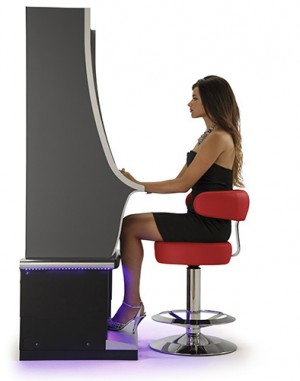
Ergonomics is a primary consideration in slot design. Physical comfort begins with the placement of screens, buttons, and handles to reduce strain during extended use. Modern machines often feature adjustable chairs, well-spaced controls, and angled screens that minimize glare. The goal is to allow players to maintain a relaxed posture while interacting with the machine, reducing fatigue that could detract from enjoyment. Designers analyze human factors meticulously, considering how average arm length, reach, and eye level affect usability. Comfortable players are more likely to stay longer, but this is not merely a commercial consideration; it also supports a safer gaming experience by reducing frustration and awkward movements that could lead to repetitive strain injuries.
Visual design is another critical component affecting comfort. The layout of symbols, reels, and information panels must balance clarity with excitement. Overly cluttered interfaces can overwhelm a player, leading to cognitive fatigue, while overly simplistic designs may fail to engage. Color schemes, contrast levels, and motion effects are chosen to be visually appealing without causing eye strain. For instance, soft background lighting combined with distinct, easily recognizable symbols can guide players’ attention naturally across the screen, making it easier to follow gameplay and understand potential outcomes. The pacing of animations also affects comfort; smooth transitions and predictable visual cues help players anticipate results without feeling rushed or disoriented.
Auditory elements play an equally vital role. Sound effects, background music, and reward cues contribute to the overall sensory environment. Well-designed audio provides feedback on actions and reinforces positive experiences, creating a sense of reward without overwhelming the player. Designers must carefully calibrate volume, frequency, and timing. Sudden loud noises or repetitive, harsh sounds can quickly cause discomfort or fatigue. Conversely, pleasant, consistent audio can encourage immersion, subtly guiding the player’s focus and maintaining engagement over time. In this sense, sound design serves both an emotional and cognitive function, supporting comfort by making the environment predictable and enjoyable.
Cognitive comfort is influenced by the clarity of information presentation. Players need to understand pay tables, bonus conditions, and betting options quickly and intuitively. Complex or poorly explained rules can create confusion, reducing enjoyment and increasing mental strain. Well-designed slots present this information in a layered, digestible format. Contextual pop-ups, visual indicators, and progressive guides help players make informed decisions without interrupting gameplay flow. By minimizing the cognitive load required to understand the machine, designers can create a more relaxed, comfortable experience that feels rewarding and fair.
Interactivity and feedback loops further enhance comfort. Slot machines often incorporate elements that respond dynamically to player input, such as touch-sensitive controls or responsive animations. These interactions provide a sense of agency and connection, making the experience feel more personalized. Haptic feedback, such as vibrations or gentle button resistance, reinforces actions and adds a tactile dimension to gameplay. This multisensory approach contributes to physical and emotional comfort, as players receive immediate confirmation that their input has been registered and valued, strengthening engagement without creating frustration.
Environmental integration also matters. A slot machine’s comfort is not isolated to its own design but extends to how it fits within the casino space. Placement, spacing, and ambient conditions such as lighting and temperature can influence how comfortable players feel. Machines that are too close together, or located in areas with harsh lighting or excessive noise, can induce stress or discomfort. Designers and operators work together to ensure that each machine complements the surrounding environment, allowing players to engage with the slot in a manner that feels natural and relaxed. This holistic approach acknowledges that comfort is both machine-specific and context-dependent.
Finally, psychological comfort is a subtle but powerful factor in slot design. Designers leverage principles of anticipation, reward, and pacing to create experiences that feel satisfying without causing stress or anxiety. For example, near-miss effects, progressive jackpots, and carefully timed bonus rounds are engineered to maintain interest and provide a sense of possibility. These features can enhance emotional comfort by keeping gameplay engaging while avoiding frustration. Ethical design practices also play a role, as responsible gaming measures—like session reminders or self-limiting features—help maintain player wellbeing, reinforcing long-term comfort rather than temporary stimulation.
In sum, comfort in slot machine design is a multidimensional construct that combines ergonomics, visual clarity, auditory design, cognitive accessibility, interactive feedback, environmental harmony, and psychological pacing. Each element interacts with the others to shape a holistic player experience that encourages engagement while minimizing physical and mental strain. The most successful slot machines are those that integrate these elements seamlessly, creating an intuitive, pleasurable, and comfortable experience. By attending to these factors, developers not only enhance enjoyment but also contribute to a responsible, sustainable approach to gaming, where comfort and satisfaction go hand in hand with safe, engaging play.



Leave a Reply