
Slot games have become one of the most popular forms of digital entertainment, attracting millions of players worldwide with their simple mechanics and engaging experiences. One of the primary reasons for their widespread appeal is their user-friendly nature. Unlike other forms of gambling or complex gaming platforms, slot games are designed to be intuitive, requiring minimal prior knowledge or skill to begin enjoying them. The user experience is central to their design, ensuring that players of all backgrounds can quickly understand how to play and what to expect from each session.
At the core of their accessibility is the simplicity of the game mechanics. Traditional slot machines operate on a straightforward principle: spin the reels, match symbols, and win prizes. Modern digital slots have retained this fundamental approach while enhancing it with interactive features, animations, and bonus rounds. This combination allows players to grasp the gameplay almost immediately. Even individuals who have never encountered a slot game can understand the concept after a few spins, reducing the intimidation factor that might accompany more complicated games. The clear objectives, such as lining up certain symbols or triggering a bonus feature, provide immediate feedback, which encourages continued play and engagement.
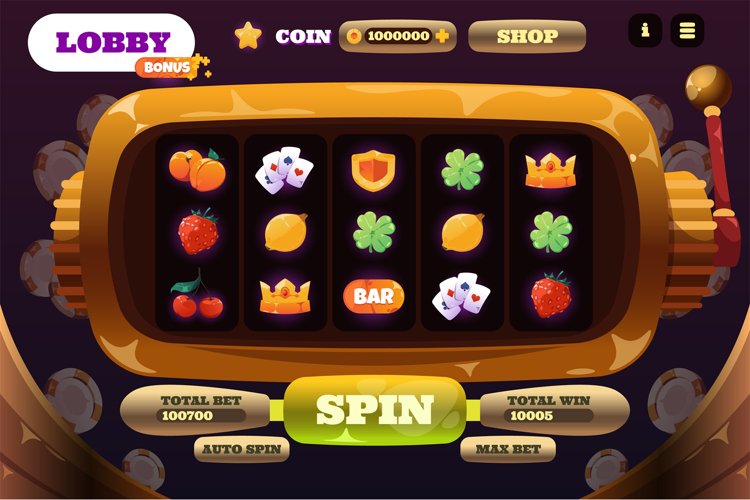
Another significant aspect of slot games’ user-friendliness is their interface design. Developers invest heavily in creating intuitive layouts that make navigation effortless. Buttons for spinning the reels, adjusting bets, and accessing pay tables are prominently displayed and labeled in a way that requires little explanation. Mobile and desktop versions maintain consistency in these controls, allowing players to switch devices seamlessly without having to relearn the interface. Visual cues, such as highlighting winning combinations or animating bonus triggers, provide immediate understanding of game outcomes, ensuring that players always feel informed and in control. This reduces frustration and enhances the overall enjoyment, contributing to a positive user experience.
Slot games also cater to a wide range of play styles and preferences, which enhances their user-friendliness. Developers offer various themes, from classic fruit machines to elaborate story-driven adventures, ensuring that every player can find a game that appeals to their interests. The inclusion of adjustable bet sizes allows users to tailor their experience according to their budget, making the games accessible to both casual players and high-stakes enthusiasts. Features like autoplay options and quick spin modes provide flexibility, letting players choose between a more relaxed or fast-paced experience. By offering this level of customization, slot games respect individual player needs and enhance their comfort and satisfaction.
The integration of tutorials and guidance further simplifies the user experience. Many modern slots provide on-screen instructions, tooltips, and practice modes that help new players understand the rules and mechanics without risking real money. These educational elements are often embedded seamlessly into the game flow, allowing players to learn while actively participating. This approach reduces the learning curve and increases player confidence, encouraging longer play sessions and greater engagement. By lowering barriers to entry, slots make gambling more approachable, attracting a broader audience and fostering loyalty.
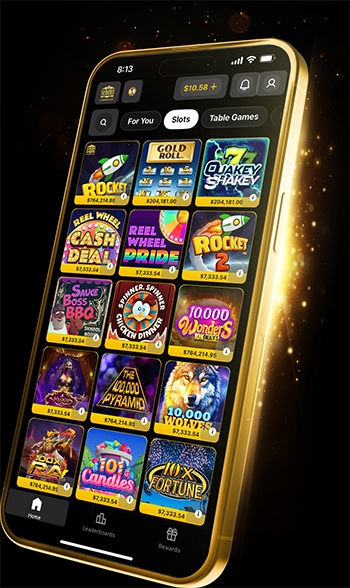
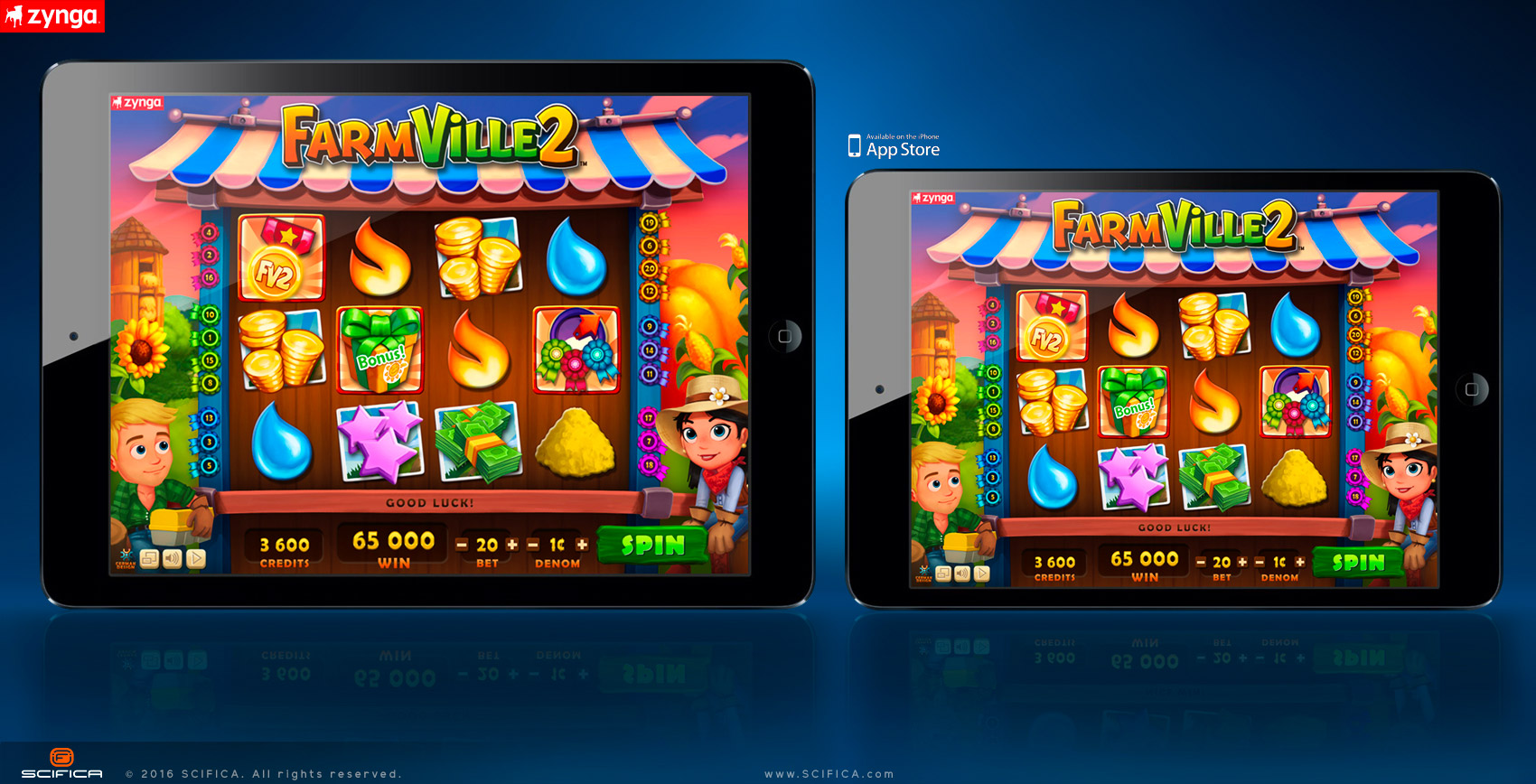
Accessibility extends beyond just ease of use; it also includes availability across multiple platforms. Slot games are typically designed to be compatible with a variety of devices, including desktops, laptops, tablets, and smartphones. This ensures that users can enjoy their favorite games anytime and anywhere, without needing specialized equipment or software. The mobile-friendly design often includes responsive layouts, touch controls, and optimized performance, maintaining the same level of user-friendliness as desktop versions. By providing seamless access, slot games integrate smoothly into players’ daily routines, increasing both engagement and satisfaction.
Another user-friendly feature is the instant feedback and reward system. Slot games provide immediate outcomes for every action, whether it is a winning spin, a near miss, or a bonus trigger. Visual and auditory feedback, such as flashing lights, celebratory sounds, and animation sequences, creates a sense of excitement and achievement. This immediacy not only reinforces positive behavior but also keeps players informed and engaged throughout their session. The clear presentation of wins, losses, and progress contributes to transparency, ensuring that players understand how their actions translate into outcomes. This reduces confusion, builds trust, and enhances the overall experience.
User-friendliness is also evident in the social and community aspects of modern slots. Many platforms incorporate leaderboards, multiplayer features, and social sharing options, allowing players to interact, compete, and celebrate achievements with others. These elements foster a sense of community and connection, enhancing player engagement and satisfaction. Social features are often designed to be intuitive, encouraging participation without complicating the core gameplay. By balancing complexity with accessibility, developers create a friendly environment where both casual and experienced players can enjoy the social aspects of gaming.
The integration of responsible gaming tools further exemplifies the user-friendly approach of slot games. Features such as deposit limits, session reminders, and self-exclusion options empower players to manage their play safely and comfortably. These tools are designed to be easy to access and understand, reflecting a commitment to player well-being without disrupting the enjoyment of the game. By providing built-in safeguards, slot games demonstrate that user-friendliness encompasses not only ease of play but also support and protection, contributing to a responsible and enjoyable experience.
Finally, slot games continuously evolve to enhance user-friendliness. Developers monitor player behavior, gather feedback, and implement improvements in interface design, game mechanics, and features. This iterative approach ensures that games remain intuitive, engaging, and aligned with player expectations. Innovations such as adaptive difficulty, personalized recommendations, and immersive graphics maintain interest while keeping gameplay accessible. By prioritizing the user experience in every update, slot games remain approachable and enjoyable for both new and returning players, solidifying their position as one of the most user-friendly forms of digital entertainment.
In conclusion, slot games are inherently user-friendly due to their intuitive mechanics, clear interfaces, flexible gameplay, and accessibility across devices. Immediate feedback, educational tools, social features, and responsible gaming options further enhance the player experience, ensuring that anyone can enjoy the thrill of spinning the reels. By continuously evolving to meet player needs and expectations, slot games maintain a welcoming and engaging environment that is easy to navigate, understand, and enjoy, making them a leading choice for entertainment in the digital age.







Leave a Reply