
Slot games have evolved dramatically from their early mechanical predecessors, transforming into highly sophisticated digital experiences designed to engage players through a combination of visual appeal, interactivity, and strategic design. Understanding a slot game interface is essential for both casual players seeking entertainment and more analytical gamers aiming to maximize their experience. At its core, a slot game interface is the bridge between the player and the game’s underlying mechanics, translating random number generation and algorithmic processes into intuitive, interactive elements.
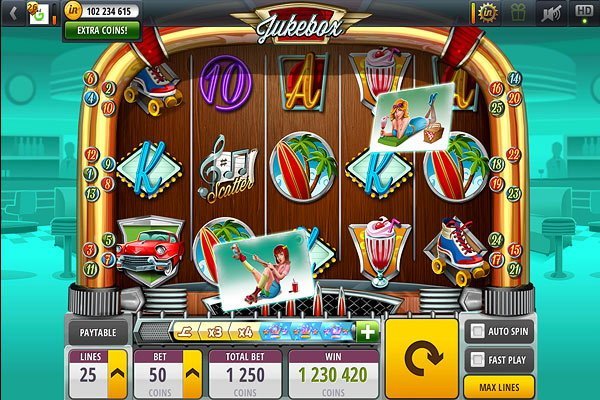
One of the first elements players encounter is the reel layout. Traditionally, slot machines featured three reels, but modern video slots often expand to five or more reels. Each reel is composed of symbols that spin vertically when the game is activated. The visual representation of these reels is carefully designed to maintain clarity and appeal, often themed around a particular narrative or aesthetic. Whether the symbols depict fruits, precious gems, or popular culture icons, their arrangement and animation contribute significantly to the user experience. High-quality graphics and smooth animations create a sense of motion and anticipation, which are crucial for sustaining engagement.
Equally important is the payline structure, which dictates how symbols must align to generate winning combinations. While classic slots featured a single horizontal payline, contemporary slots can offer dozens or even hundreds of potential paylines, including diagonal and zigzag patterns. The interface communicates these paylines visually, often using lines or highlights that indicate active combinations. Players must understand these lines to make informed decisions about bet placement and potential returns, and the interface often provides a paytable showing all symbol values, multipliers, and special combinations.
Betting controls form another core aspect of the interface. These controls allow players to adjust wager sizes, select the number of active paylines, and activate various features such as “max bet” or “auto-spin.” The interface needs to balance simplicity and functionality, ensuring that new players can quickly start spinning while experienced players can fine-tune bets for strategic play. Buttons are typically large and clearly labeled, with visual feedback when pressed, contributing to a tactile sense of control. Some games even include sliders or drag-and-drop options to adjust bets dynamically, integrating a more immersive and hands-on experience.
Modern slot interfaces also highlight bonus features and special symbols, such as wilds and scatters. Wild symbols substitute for other symbols to complete winning combinations, while scatter symbols often trigger free spins or bonus rounds. The interface must clearly differentiate these symbols through distinct colors, animations, or sound effects. Players are instantly aware of their impact, and the visual feedback reinforces excitement and anticipation. Bonus rounds are often presented in separate mini-interfaces within the main game screen, maintaining a seamless transition that keeps the player engaged while adding layers of interactive gameplay.
Progressive jackpots represent another interface element that has grown in popularity. These jackpots increase over time, often displayed prominently at the top of the screen with dynamic counters that continuously update. This visual cue acts as both an incentive and a source of tension, enhancing the psychological appeal of the game. Designers must ensure that these counters are clearly visible without obstructing the main reels or other important elements.
Sound and haptic feedback are integrated closely with the visual interface. Background music, reel spin sounds, and celebratory effects for wins all reinforce the game’s theme and emotional rhythm. Some modern devices offer vibration feedback that corresponds with spins or winning events, adding a tactile dimension to the digital interface. This multisensory integration strengthens player immersion, making the slot experience feel more immediate and engaging.
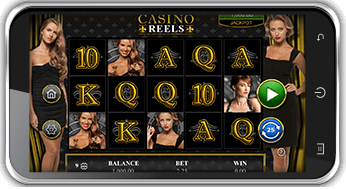
Accessibility is another critical factor in slot interface design. Many platforms incorporate options to adjust sound, animation speed, and color contrast to accommodate a wider range of players. Clear labeling, intuitive navigation, and responsive controls ensure that the interface is usable across devices, including desktop computers, tablets, and smartphones. Mobile slot interfaces are especially optimized for touch controls, ensuring that buttons are easily tappable and reels spin smoothly on smaller screens.
The user experience (UX) flow in a slot game interface is carefully choreographed to balance simplicity and engagement. Players are guided from the main menu to betting controls, spins, paytables, and bonus rounds with minimal friction. Tutorials or on-screen prompts may be included to help newcomers understand paylines, bet adjustments, and feature triggers. In addition, the interface often integrates notifications for wins, free spins, or special events, subtly guiding players without overwhelming them.
Data visualization within the interface is also becoming more sophisticated. Some games provide real-time statistics, such as recent wins, average payouts, or RTP (Return to Player) percentages. These elements are presented in an intuitive manner to help players make informed choices while maintaining focus on entertainment rather than overwhelming them with raw numbers.
Ultimately, the slot game interface is a blend of art, psychology, and technology. Its purpose is not only to facilitate interaction with the game’s mechanics but also to enhance player engagement, excitement, and satisfaction. By combining clear visual layouts, interactive controls, feedback systems, and thematic storytelling, the interface transforms random number outcomes into compelling, emotionally resonant experiences. For players, understanding these elements can enrich gameplay, making each spin more enjoyable and strategically informed. Slot interfaces are the silent architects of player experience, meticulously designed to turn chance into anticipation and entertainment.




Leave a Reply